Melasma Treatment in Chicago: What Actually Helps Dark Patches and What Can Make Them Worse
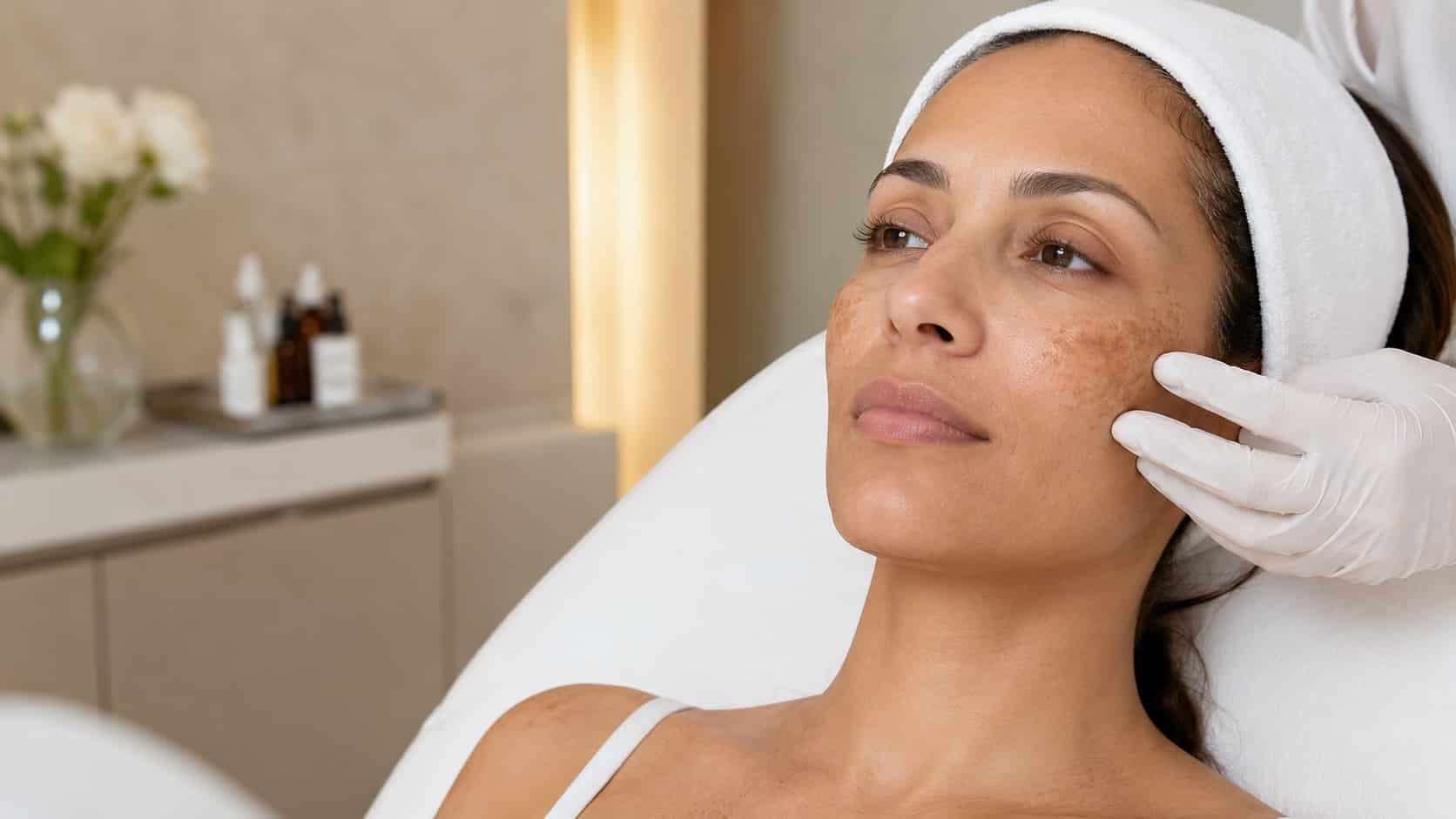
If you have brown or grayish patches across your cheeks, forehead, upper lip or other areas of your face that seem to get darker no matter what skincare you try, you may be dealing with melasma.
And if you live in Chicago, you may have noticed something especially frustrating. Your pigmentation may look lighter during parts of the winter, only to become much more noticeable once spring and summer arrive.
Melasma can be stubborn. It is also very different from simply having a few sun spots.
At Lulu Beauty Spa in Chicago, we work with clients who are concerned about uneven skin tone, dark spots, pigmentation and melasma prone skin. One of the biggest things we want people to understand is that treating pigmentation is not about using the strongest product or getting the most aggressive facial possible.
In fact, sometimes doing too much is exactly what makes dark patches worse.
If you have been searching for melasma treatment in Chicago and feel overwhelmed by all of the products, facials, peels and advice online, this guide will help you understand what may actually help, what can aggravate pigmentation and when it is important to see a dermatologist.
What Is Melasma?

Melasma is a pigmentation condition that causes areas of the skin to become darker than the surrounding skin.
It commonly appears on the cheeks, forehead, bridge of the nose, upper lip and chin. The patches are usually flat and often appear somewhat symmetrically on both sides of the face.
Melasma develops when the cells responsible for producing pigment become more active than they should.
Sun exposure is one of the most important triggers. Hormonal changes can also play a role, which is why melasma commonly appears during pregnancy or after hormonal changes. Certain medications may contribute as well.
Melasma is particularly common among women and among people with medium and deeper skin tones, including many Latina, Asian, Black and Native American women.
That is one reason pigmentation needs to be approached carefully. Skin that produces pigment easily can sometimes respond to excessive irritation by producing even more pigment.
Is Every Dark Spot on Your Face Melasma?

No, and this is important.
Not every brown spot is melasma.
Dark pigmentation can come from several different causes, including sun damage, post inflammatory hyperpigmentation after acne, freckles, age related sun spots and other skin conditions.
Some of these can look surprisingly similar.
DermNet lists post inflammatory hyperpigmentation and solar lentigines, commonly called sun spots, among the conditions that may resemble melasma.
An esthetician can evaluate your skin from a cosmetic skincare perspective, but an esthetician cannot diagnose a medical skin condition.
If your pigmentation is new, unusual, rapidly changing, raised, painful, bleeding or simply does not look like typical pigmentation, we may recommend that you see a board certified dermatologist before beginning cosmetic treatments.
We would rather have you get the correct answer than sell you a facial your skin does not need.
Can Facials Help With Melasma?

This is one of the questions we hear most often.
The honest answer is that professional skincare can be very helpful as part of a larger melasma management plan, but there is no facial that can permanently cure melasma.
Melasma is known for coming back.
The American Academy of Dermatology notes that treatment often requires a combination of sun protection, topical treatment and sometimes professional procedures. It also notes that there is no single best treatment that works for everyone.
That is exactly why we do not believe in treating every client with pigmentation the same way.
The right facial for melasma prone skin should focus on improving the appearance of uneven pigmentation while maintaining a healthy skin barrier and avoiding unnecessary inflammation.
For some clients, that may mean incorporating carefully selected exfoliating treatments.
For someone else, the priority may need to be calming irritation and repairing the skin barrier before more active treatments are considered.
Your skin history matters.
Your current products matter.
Your sensitivity matters.
Your skin tone matters.
And what caused the pigmentation matters.
Why Can Melasma Get Worse After a Facial?
This surprises a lot of people.
A client sees pigmentation and naturally assumes that stronger exfoliation must mean faster fading.
That is not always true.
If a treatment creates too much irritation or inflammation, the skin can respond by producing additional pigment. The American Academy of Dermatology specifically recommends gentle skincare for people with melasma because products that burn or sting can worsen dark spots.
That means more aggressive does not automatically mean more effective.
This is especially important if you have a medium, olive or deeper skin tone or if you already know that your skin leaves dark marks easily after breakouts, waxing or irritation.
At Lulu Beauty Spa, our goal is not to attack your skin.
Our goal is to understand it.
When someone comes to us concerned about melasma or hyperpigmentation, we look at the entire picture before deciding how aggressively the skin should be treated.
What Actually Helps Melasma?
Melasma is complicated, but there are several pieces of the puzzle that consistently matter.
1. Daily Sun Protection
You can invest in professional treatments and expensive skincare, but if your pigmentation is repeatedly exposed to ultraviolet light without adequate protection, you are working against yourself.
Sun exposure stimulates pigment production and can cause existing melasma to darken.
The American Academy of Dermatology recommends broad spectrum SPF 30 or higher for people with melasma, along with other forms of sun protection such as shade and hats.
And yes, that includes Chicago.
We may not have Miami weather all year, but ultraviolet exposure does not disappear just because it is cold outside.
If you are serious about improving pigmentation, sunscreen needs to become part of your morning routine throughout the year.
2. Consider a Tinted Sunscreen
This is one of the most overlooked melasma tips.
Visible light can contribute to melasma, especially in people with deeper skin tones. The American Academy of Dermatology recommends considering a tinted sunscreen containing iron oxides in addition to adequate SPF protection.
If you have been religious about sunscreen but your melasma still seems unusually reactive, this is worth discussing with your skincare professional or dermatologist.
3. Consistency
Pigmentation usually does not develop overnight and it usually does not disappear overnight either.
This is where people often sabotage themselves.
They use one product for two weeks, see very little change and switch to something stronger.
Then they add an acid.
Then a scrub.
Then a peel.
Then another brightening serum.
Eventually their skin becomes irritated and the pigmentation looks worse.
Melasma treatment is much more about consistency than constantly chasing the next strongest treatment.
4. Professional Treatments Chosen for Your Skin
Professional facials can be useful when they are selected based on your actual skin rather than a generic protocol.
For clients with pigmentation concerns, we may focus on controlled exfoliation, brightening ingredients, hydration, barrier support or a combination of approaches depending on what the skin needs.
That plan may change over time.
Sometimes getting better results means knowing when to push the skin slightly and when to leave it alone.
5. The Right Home Care
What you do between appointments matters just as much as what happens inside the treatment room.
A complicated ten step routine is not necessarily better.
For many people with melasma prone skin, a simple and consistent routine that supports the skin barrier and uses appropriate brightening ingredients is more sustainable than constantly experimenting with harsh products.
If your bathroom cabinet is full of half used products and you are not sure what can safely be combined, bring that information with you to your appointment.
We can help you make sense of it.
What Can Make Melasma Worse?
One of the most useful things you can learn about melasma is what not to do.
Too Much Sun
This is probably the biggest one.
Melasma commonly becomes more noticeable after increased sun exposure. Many people notice exactly this pattern during warmer months.
That weekend at the beach can undo more progress than people realize.
Tanning
If improving melasma is your goal, tanning beds and intentional tanning work directly against that goal.
Ultraviolet exposure stimulates pigment production. The American Academy of Dermatology specifically recommends avoiding tanning beds and sunlamps for people managing melasma.
Over Exfoliating
Using several exfoliating acids, scrubs and active ingredients at once can leave the skin irritated.
When pigmentation prone skin becomes inflamed, darkening can follow.
More exfoliation is not always better.
Picking at Your Skin
If you are also acne prone, picking blemishes can create additional post inflammatory hyperpigmentation on top of existing melasma.
Then you are treating two pigmentation problems at the same time.
Constantly Changing Products
Your skin needs enough time to respond to a routine.
Buying a new viral skincare product every week makes it almost impossible to know what is helping and what is irritating you.
Trying Aggressive DIY Treatments
We understand why people do it.
Professional skincare costs money, and social media makes strong peels and concentrated products look incredibly easy to use at home.
But pigmentation prone skin is one area where experimenting aggressively can backfire.
If a treatment causes significant inflammation, irritation or injury, you may end up with more discoloration than you started with.
What About Chemical Peels for Melasma?
Chemical peels may be used as part of a pigmentation treatment plan, but they need to be selected carefully.
The question should not simply be, “What is the strongest peel you have?”
The better question is, “What can my skin tolerate while still moving toward my goal?”
Your skin tone, sensitivity, previous treatments, current skincare and pigmentation history all need to be considered.
Some clients need gradual treatment.
That is not a bad thing.
When we are dealing with pigmentation, controlled progress is often much more valuable than creating unnecessary inflammation because we were trying to get an instant result.
Can You Completely Get Rid of Melasma?
We want to be very transparent about this.
Melasma can improve significantly, but it can also return.
The American Academy of Dermatology describes melasma as a condition that can persist for years and notes that even after improvement, pigmentation may return with triggers such as sun exposure.
So if someone promises that one facial will permanently eliminate your melasma, be cautious.
Our goal at Lulu Beauty Spa is not to make unrealistic promises.
Our goal is to help you improve the appearance of your skin, develop a smarter skincare routine and create a long term strategy for keeping pigmentation under better control.
How Long Does It Take to See a Difference?
This varies significantly from person to person.
The depth of the pigmentation, how long you have had it, your skin type, sun exposure, hormones, your home routine and your treatment plan can all affect how quickly you see improvement.
Some superficial discoloration may respond relatively quickly.
Stubborn melasma can require much more patience.
This is why progress photographs can be useful.
When you look at your face every morning, gradual improvement can be difficult to notice. Comparing your skin over time can give you a much clearer picture of whether your plan is working.
Do I Need a Dermatologist or an Esthetician for Melasma?
Sometimes the answer is both.
A board certified dermatologist can diagnose melasma and determine whether prescription medication or medical treatment is appropriate.
Prescription options used by dermatologists may include hydroquinone, tretinoin, azelaic acid and other medications depending on the individual patient.
An esthetician works on the cosmetic skincare side.
At Lulu Beauty Spa, we can help with professional facials, appropriate exfoliation, hydration, barrier support, brightening skincare and creating a routine that supports your pigmentation goals.
We also know when something is outside our scope.
If we believe you would benefit from seeing a dermatologist, we will tell you.
Good skincare is not about pretending one professional can do everything.
It is about figuring out what your skin actually needs.
Why We Take a Different Approach to Melasma Facials in Chicago
Pigmentation clients are often frustrated before they ever walk through our door.
They have tried brightening creams.
They have bought expensive serums.
They have followed skincare routines from TikTok.
They may have had facials that made their skin look beautiful for a few days but did nothing to address the bigger picture.
We want your experience to be different.
At Lulu Beauty Spa, we look at pigmentation as something that needs strategy, patience and consistency.
We want to know what you have already tried.
We want to know what makes your pigmentation darker.
We want to know how sensitive your skin is.
We want to know what products you are using at home.
We want to understand your actual goal.
Because the goal is not simply to give you a facial.
The goal is to help you understand your skin well enough that the treatments you invest in actually make sense.
Melasma Treatment for Latina, Olive and Deeper Skin Tones
Chicago is a diverse city, and there is no one universal approach to treating pigmentation.
Melasma is especially common among people with medium and deeper skin tones. These skin types can also be more prone to developing additional pigmentation after inflammation or irritation.
That makes thoughtful treatment especially important.
If you have ever had a pimple leave a dark mark for months, developed pigmentation after waxing or noticed that your skin darkens easily after irritation, tell us before your treatment.
Those details matter.
We believe improving pigmentation should never come at the expense of damaging the skin barrier.
What Should I Do Before Booking a Melasma Facial?
You do not need to completely overhaul your skincare before coming in.
In fact, please do not start five new products the week before your appointment.
Come in with your skin as it is.
If possible, know the names of the products you currently use, particularly retinoids, exfoliating acids, prescription skincare and brightening products.
Also let us know about recent procedures, peels or other treatments.
The more we understand about what your skin has been exposed to, the better we can evaluate what makes sense next.
Ready to Get Serious About Your Dark Spots?
If you have spent months staring at the same dark patches in the mirror, trying product after product and wondering whether anything is actually helping, it may be time for a more personalized approach.
At Lulu Beauty Spa, we are helping Chicago clients take a smarter approach to melasma prone skin, hyperpigmentation and stubborn dark spots.
You do not need the harshest treatment.
You need the right treatment for your skin.
Book your facial or skincare consultation with Lulu Beauty Spa and let us take a closer look at what your skin needs, what may be making your pigmentation worse and what we can realistically do to help improve its appearance.
If you are not sure which appointment to book, call or text us at 773 870 2816 with your questions.
We would much rather help you choose the right service than have you book something that is not appropriate for your skin.
Your pigmentation did not appear overnight.
You do not have to figure out how to manage it overnight either.
But with the right strategy, consistent professional care, good home skincare and serious sun protection, you can finally stop guessing and start making decisions that make sense for your skin.
Ready to start? Book your appointment with Lulu Beauty Spa in Chicago today, or call or text 773 870 2816 and let us help you choose the best place to begin.